Metallurgical Microscope Suppliers in Chennai | +91 96771 11411

Get No.1 Metallurgical Microscope Suppliers in Chennai at Modern Metallurgical & Scientific Services ✓Zoomstar Microscope Dealers & Traders ✓9677111411

Metallurgical Microscope Suppliers in Chennai

T-73, Phase-2, Sidco Women’s Industrial park, Vellanur Post, Thirumullaivoyal, Chennai – 600 062.
Check-in: 9:00 AM – 9:00 PM
24/7 Security & Support

Book Your Services
At Modern Metallurgical & Scientific Services! Now

Metallurgical Microscope Suppliers in Chennai | Metallography Microscope Manufacturers

Looking for Metallurgical Microscope Suppliers in Chennai? At Modern Metallurgical & Scientific Services get binocular, trinocular, upright and inverted metallurgical microscopes for material analysis, microstructure inspection, quality control and metallography applications.

Metallurgical microscopes are specialized optical instruments used for examining the microstructure and surface characteristics of metals, alloys and other opaque materials. Unlike conventional biological microscopes, metallurgical microscopes generally use reflected or incident light to illuminate the specimen surface.

These microscopes are widely used in metallography laboratories, manufacturing industries, foundries, automotive companies, heat-treatment facilities, research institutions and quality-control departments. Chennai has a strong market for metallography equipment, with suppliers offering binocular, trinocular, upright and inverted configurations. Current Chennai listings include microscopes with magnifications ranging from approximately 50X to 1250X and specialized reflected-light optical systems.

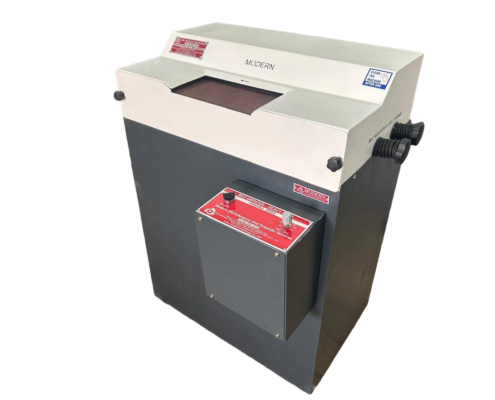
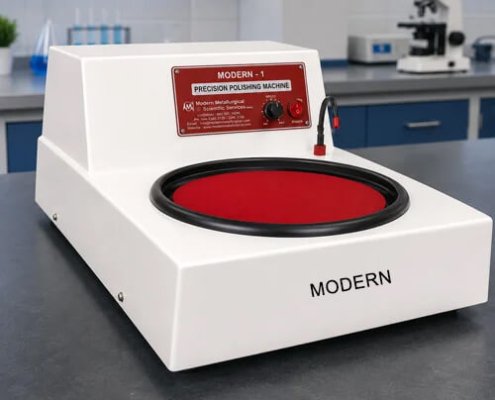
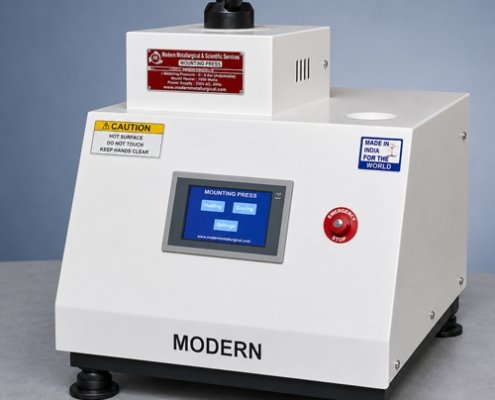
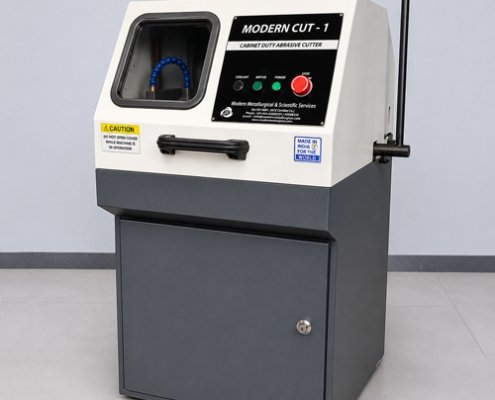
Modern Metallurgical & Scientific Services suppliers also offer complete metallography solutions including specimen cutting machines, mounting presses, grinding and polishing machines, hardness testers and image-analysis systems. Chennai Metco, for example, lists metallurgical microscopes as part of its broader metallography equipment range and provides calibration and service support.

  • Metallurgical Microscope Suppliers in Chennai
  • Metallurgical Microscope Manufacturers in Chennai
  • Metallography Microscope Suppliers in Chennai
  • Metallography Microscope Manufacturers
  • Metallurgical Microscope Dealers in Chennai
  • Metallurgical Microscope Distributors in Chennai
  • Metallurgical Testing Equipment Suppliers in Chennai
  • Metallurgical Laboratory Equipment Manufacturers
  • Metallography Equipment Manufacturers in Chennai
  • Metallurgical Laboratory Microscope
  • Metallographic Microscope Suppliers
  • Metallographic Microscope Manufacturers
  • Binocular Metallurgical Microscope Suppliers
  • Trinocular Metallurgical Microscope Suppliers
  • Inverted Metallurgical Microscope Suppliers
  • Upright Metallurgical Microscope Suppliers
  • Digital Metallurgical Microscope Suppliers
  • Metallurgical Microscope with Camera
  • Metallurgical Microscope with Image Analysis
  • Metallurgical Microscope 1000X
  • Metallographic Testing Microscope
  • Material Testing Microscope
  • Industrial Metallurgical Microscope
  • Metal Microstructure Microscope
  • Metallurgical Microscope for Quality Control
  • Metallurgical Microscope for Research
  • Metallography Laboratory Equipment Chennai
  • Metallurgical Testing Machines Chennai
  • Microstructure Analysis Equipment Chennai
  • Grain Structure Analysis Microscope
  • Metallographic Image Analysis System
  • Metallurgical Microscope Price in Chennai
  • Metallurgical Microscope Calibration Service Chennai

Types of Metallurgical Microscopes by Modern Metallurgical and Scientific Services

What Is a Metallurgical Microscope?

A metallurgical microscope is an optical microscope specifically designed to examine opaque materials such as metals, ceramics, composites and coated components. Since light cannot normally pass through a metal specimen, the microscope illuminates the prepared surface from above. The reflected light passes through the optical system to produce a magnified image.

  • Grain structure
  • Grain boundaries
  • Inclusions
  • Porosity
  • Cracks
  • Phase distribution
  • Heat-treatment effects
  • Weld structures
  • Surface defects
  • Coating conditions
  • Microstructural variations
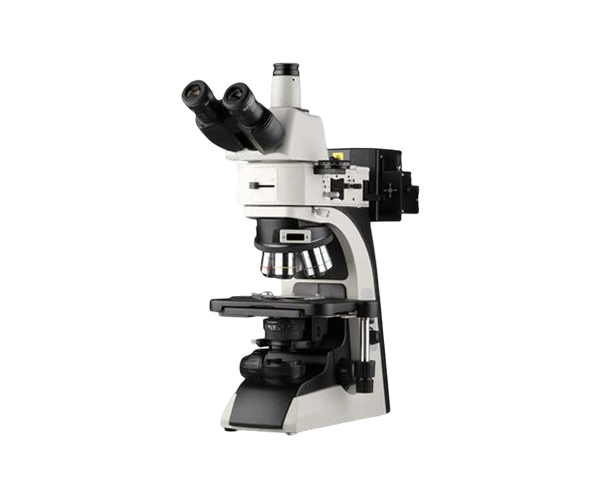
  • Binocular Metallurgical Microscope: A binocular microscope has two eyepieces and allows observation using both eyes. It is suitable for routine metallographic inspection, education and quality-control applications.
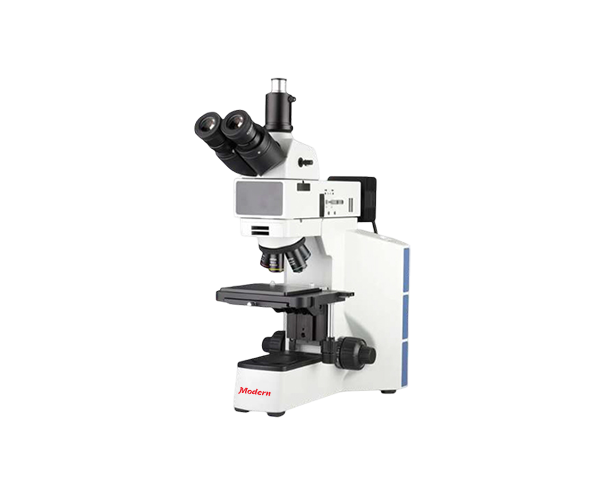
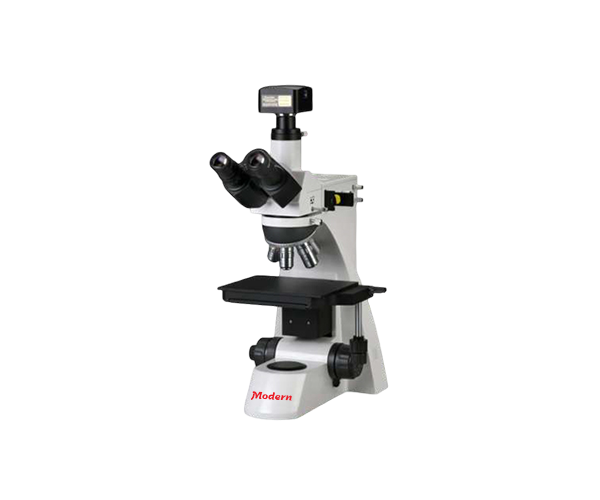
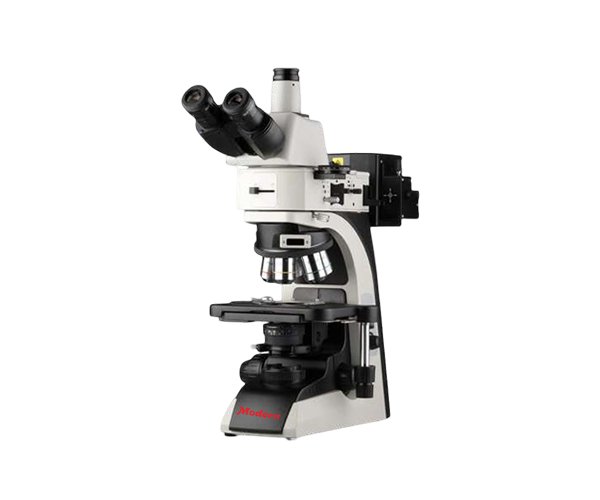
  • Trinocular Metallurgical Microscope: Trinocular microscopes include a third optical port for attaching a digital camera. They are useful when images need to be captured, stored, measured or analyzed.: Chennai suppliers list trinocular models with observation heads, mechanical stages and reflected-light illumination systems.
  • Upright Metallurgical Microscope: In an upright configuration, the optical system is positioned above the specimen stage. This configuration is suitable for prepared samples and general metallographic inspection.
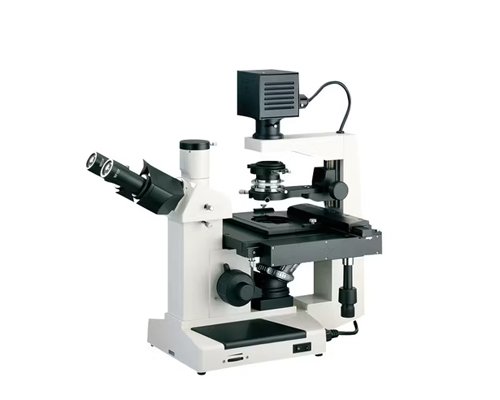
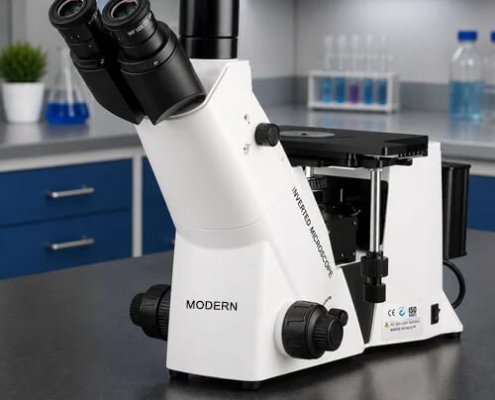
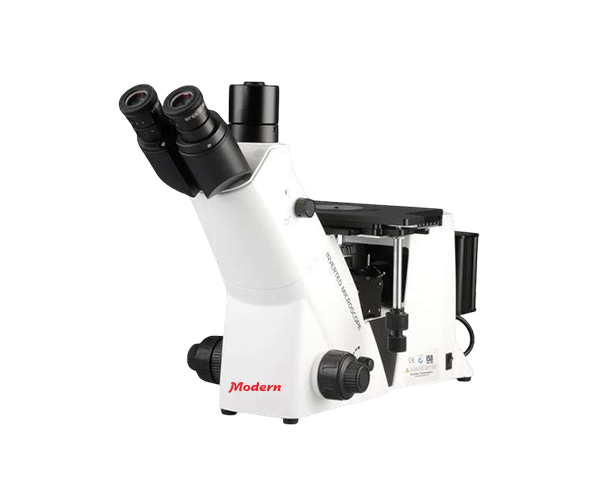
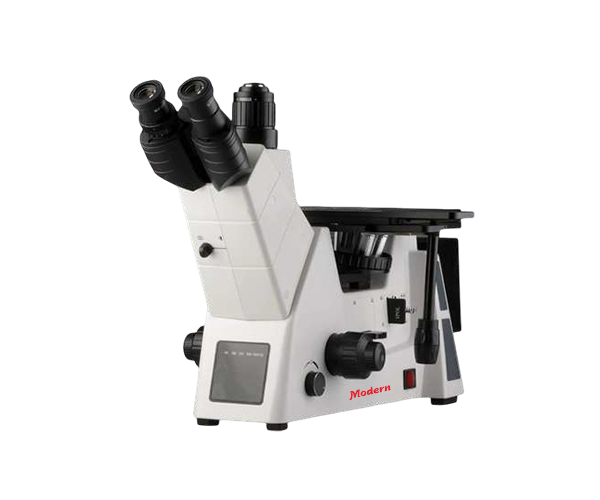
  • Inverted Metallurgical Microscope: In an inverted microscope, the objective is positioned below the specimen stage. This configuration can be particularly useful for large or heavy specimens that are difficult to place under an upright microscope. Chennai listings include inverted binocular and trinocular models with different objective configurations and magnification options.
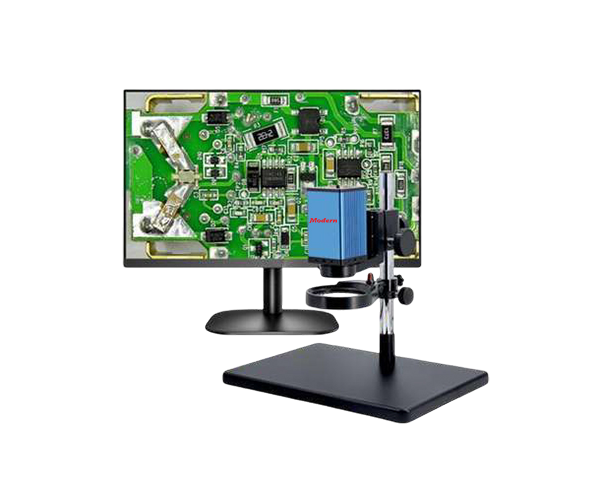
  • Digital Metallurgical Microscope: Digital metallurgical microscopes combine optical microscopy with cameras and software for image capture, measurement, documentation and analysis.
  • Metallurgical Microscope with Image Analysis: Advanced systems can be connected to image-analysis software to measure grain size, inclusions, phases, coating thickness and other microstructural characteristics.

Metallurgical Microscopes

Metallurgical microscopes are essential instruments for detailed examination of metal microstructures. Inspections begin at low magnification and gradually move to higher levels for comprehensive analysis. These microscopes use reflected light to reveal surface details and are generally categorized as “Upright” or “Inverted, ” based on the orientation of the light path relative to the polished metal sample. Upright microscopes illuminate the specimen from above, while inverted models provide lighting from below, allowing flexibility for various sample sizes and types. We offer a broad range of metallurgical microscopes tailored to different applications and budgets, ensuring precise, dependable, and easy-to-use solutions for research and quality control.

MS – Victory

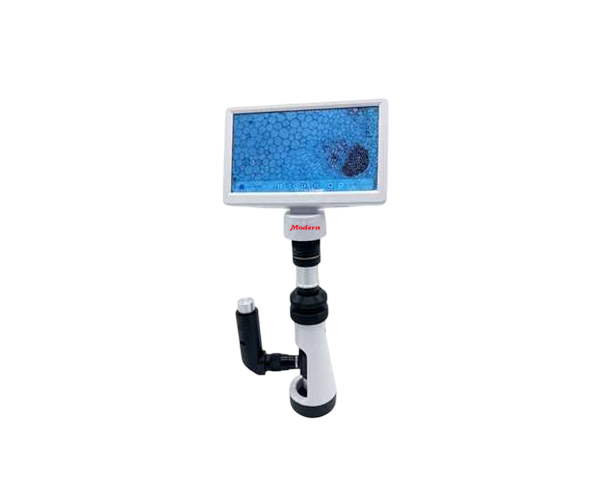
Digital Portable Metallurgical Microscope

MS – Optima

MS – Ultima

MS – Prime

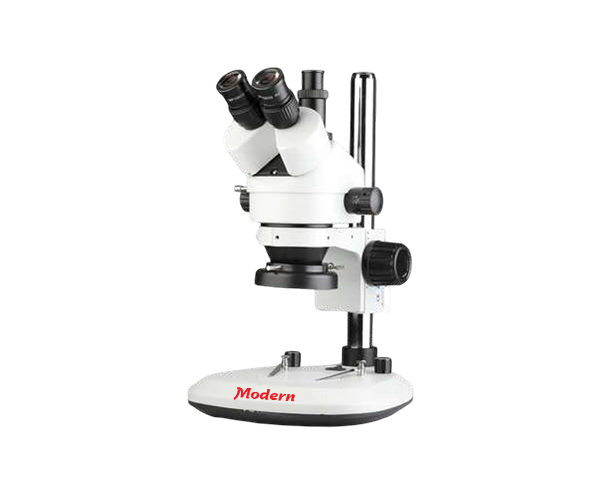
MS – Stereozoom II

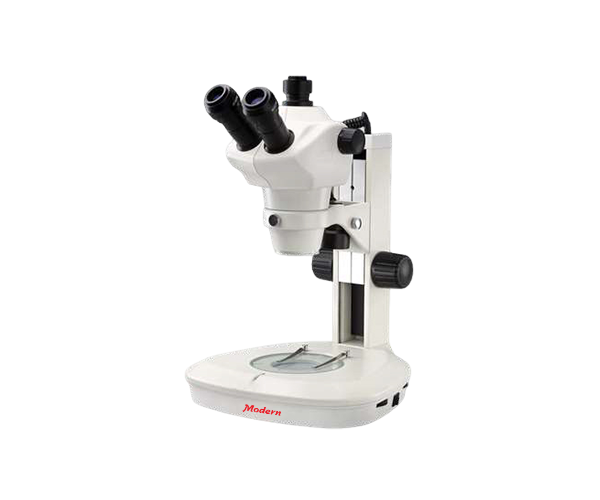
MS – Stereozoom III

Stereozoom Autofocus

MS – Polarizing Microscope

Applications of Metallurgical Microscopes

Automotive Industry

Automotive manufacturers use metallurgical microscopes to examine:

  • Engine components
  • Gears
  • Shafts
  • Bearings
  • Fasteners
  • Transmission components
  • Heat-treated parts
  • Welded components

Microscopic examination can help identify material defects and evaluate manufacturing processes.

  • Steel Industry: Steel manufacturers use metallurgical microscopes to study grain structure, inclusions, phases, heat-treatment effects and other microstructural characteristics.
  • Foundry Industry: Foundries can examine cast iron, ductile iron, aluminium alloys and other cast materials for defects such as porosity, inclusions and unwanted microstructural features.
  • Heat Treatment: Metallographic examination is commonly used after carburizing, nitriding, hardening, tempering and other heat-treatment processes. A microscope can help evaluate changes in the microstructure and localized regions of treated components.

Welding Inspection: Metallurgical microscopes can be used to examine weld cross-sections and identify:

  • Weld penetration
  • Fusion zones
  • Heat-affected zones
  • Cracks
  • Porosity
  • Microstructural changes

Aerospace Industry: Aerospace laboratories use metallographic microscopes for examining specialized alloys, coatings and precision components.

  • Tool and Die Industry: Tool manufacturers can inspect tool steels, carbide materials and treated surfaces to understand material structure and manufacturing quality.
  • Research and Development: Universities and industrial R&D laboratories use metallurgical microscopes for studying new materials, alloys, coatings, composites and manufacturing processes.
  • Quality Control: Quality-control departments use microscopes to inspect raw materials, production samples and finished components.

Benefits of Metallurgical Microscopes Available at Modern Metallurgical & Scientific Services

  • High Magnification: Metallurgical microscopes provide magnification suitable for examining fine material structures. Chennai-listed models include configurations reaching 1000X and beyond, depending on the optical system.
  • Clear Surface Observation: Reflected-light illumination provides suitable contrast for examining polished opaque samples.
  • Microstructure Analysis: Prepared samples can be examined for grain structure, inclusions, phases and defects.
  • Digital Documentation: Trinocular systems allow cameras to be connected for image capture and reporting.
  • Non-Destructive Observation After Preparation: Once the specimen has been prepared, microscopic observation itself does not normally damage the prepared surface.
  • Quality Improvement: Microscopic examination can help manufacturers identify material and process-related problems.
  • Research Support: Advanced microscopes support material science research and product development.

Metallurgical Microscope Specifications

Specifications vary depending on the model and manufacturer. Typical specifications include:

Specification Typical / Available Options
Microscope Type Binocular / Trinocular / Upright / Inverted
Observation Reflected / Incident Light
Magnification 50X–1000X or higher
Eyepiece 10X Wide Field
Objectives 5X / 10X / 20X / 50X / 100X
Objective Type Plan / Plan Achromatic / Long Working Distance
Observation Head Binocular / Trinocular
Illumination LED / Halogen / Koehler
Stage Mechanical X-Y Stage
Stage Movement Model dependent
Focusing Coaxial Coarse & Fine
Nosepiece Quadruple / Quintuple Revolving
Camera Port Available on Trinocular Models
Polarizing System Optional on selected models
Filters Colour / Polarizing / ND depending model
Image Analysis Optional
Camera Digital USB / CMOS / C-Mount
Application Metallography / Material Analysis / QC
Power Supply Model dependent

For example, Chennai Metco lists trinocular and inverted metallurgical microscopes, while its product information includes Koehler incident illumination, trinocular observation heads, mechanical focusing and specialized optical configurations.

Another Chennai listing for a Vision Plus metallurgical microscope specifies a 180 × 155 mm mechanical stage, 10X eyepieces and long-working-distance 5X, 10X, 20X and 50X objectives.

Modern Metallurgical & Scientific Services Areas

  • Visakhapatnam
  • Vijayawada
  • Guntur
  • Nellore
  • Tirupati
  • Rajahmundry
  • Kakinada
  • Kurnool
  • Kadapa
  • Hyderabad
  • Amaravati
  • Bengaluru
  • Mysore
  • Mangalore
  • Hubli-Dharwad
  • Davanagere
  • Vijayapur
  • Shimoga
  • Tunkur
  • Udupi
  • Belgaum
  • Ariyalur
  • Chengalpattu
  • Chennai
  • Coimbatore
  • Cuddalore
  • Dharmapuri
  • Dindigul
  • Erode
  • Kanchipuram
  • Krishnagiri
  • Madurai
  • Namakkal
  • Perambalur
  • Pudukkottai
  • Ranipet
  • Salem
  • Thanjavur
  • Thoothukudi
  • Tiruchirappalli
  • Tiruppur
  • Vellore
  • Viluppuram
  • Virudhunagar
  • Puducherry
  • Karaikala
  • Yenam
  • diu-daman
  • Warangal
  • Nizamabad

Important Features to Consider

When selecting a metallurgical microscope, consider:

  • Required magnification
  • Optical resolution
  • Binocular or trinocular configuration
  • Upright or inverted design
  • Reflected-light illumination
  • LED or halogen lighting
  • Plan objectives
  • Long-working-distance objectives
  • Mechanical stage size
  • X-Y stage movement
  • Coarse and fine focusing
  • Digital camera compatibility
  • Image-analysis software
  • Polarization options
  • Dark-field capability
  • Bright-field capability
  • Ergonomic observation head
  • Calibration and service support

Metallurgical Microscope with Digital Camera

A digital camera can convert microscopic observations into electronic images for documentation and analysis.

A typical digital metallography system may include:

Metallurgical Microscope → Digital Camera → Computer → Image Analysis Software → Measurement/Report

Digital imaging is useful for:

  • Grain-size analysis
  • Inclusion measurement
  • Phase analysis
  • Defect documentation
  • Coating evaluation
  • Weld analysis
  • Quality reports
  • Research publications

Conation Technologies in Chennai offers metallurgical microscopy solutions and highlights applications including surface defects, cracks, failure analysis, weld structures and macro/microstructural analysis.

How to Choose Metallurgical Microscope Suppliers in Chennai

  • Identify the Application: Determine whether the microscope will be used for routine inspection, metallography, failure analysis, research or automated image analysis.
  • Select the Correct Configuration: Choose binocular, trinocular, upright or inverted based on specimen type and documentation requirements.
  • Check Optical Quality: High-quality objectives and illumination systems are important for clear microstructural observation.
  • Consider Camera Integration: If images need to be stored or analyzed, choose a trinocular system with a suitable camera port.
  • Check Stage Size: Large specimens require a suitably sized and stable mechanical stage.
  • Consider Magnification: Choose objective combinations according to the smallest features that need to be examined.
  • Check Service and Calibration: Ask the supplier about installation, preventive maintenance, optical alignment, calibration and technical support.

Metallographic Sample Preparation

A microscope can only provide useful results when the specimen has been properly prepared.

A typical metallographic preparation sequence is:

Cutting → Mounting → Grinding → Polishing → Etching → Microscopic Examination

Chennai suppliers also offer equipment for the earlier stages of this workflow. Chennai Metco, for example, lists cutting machines, polishing machines, mounting presses, metallurgical microscopes, image-analysis systems and hardness testers.

Supertech Scientific & Metallurgical Services also lists binocular metallurgical microscopes alongside specimen mounting presses and other metallurgical instruments.

Why Choose Modern Metallurgical Microscope Suppliers in Chennai?

Chennai has a well-developed engineering and manufacturing ecosystem covering automotive, aerospace, steel, foundry, fabrication, heat treatment and research industries.

Modern Metallurgical & Scientific Services manufacturers, distributors and specialized metallography suppliers. Current listings include suppliers in areas such as Ambattur, Greams Road, Vadapalani, Tondiarpet, Porur and other parts of Chennai.

Local sourcing can provide advantages such as:

  • Technical consultation
  • Product demonstrations
  • Installation support
  • Operator training
  • Camera integration
  • Image-analysis solutions
  • Spare parts
  • Maintenance
  • Calibration and service

Maintenance of Metallurgical Microscope

Proper maintenance can help preserve optical performance and extend equipment life.

Recommended practices include:

  • Keep lenses free from dust.
  • Clean optical surfaces using approved methods.
  • Protect the microscope from moisture.
  • Keep the instrument covered when not in use.
  • Inspect illumination systems regularly.
  • Check stage movement.
  • Avoid excessive force on focusing controls.
  • Keep specimen debris away from optical components.
  • Maintain digital camera connections.
  • Follow manufacturer servicing recommendations.

Conclusion

Metallurgical microscopes are essential equipment for examining metal microstructures, surface conditions, welds, heat-treated layers and material defects. Modern Metallurgical Microscope Suppliers in Chennai provide binocular, trinocular, upright, inverted and digital microscopy solutions for industrial laboratories, manufacturing companies, research institutions and quality-control departments.

When selecting a supplier, consider the microscope’s optical quality, magnification, illumination, objective configuration, stage size, camera compatibility, image-analysis requirements and after-sales service. A properly selected metallurgical microscope can become an important part of a complete metallography and material-testing laboratory.

Frequently Asked Questions – Metallurgical Microscope Suppliers in Chennai

  • What is a metallurgical microscope?

A metallurgical microscope is a specialized microscope designed to examine opaque materials such as metals and alloys using reflected or incident light.

  • What is a metallurgical microscope used for?

It is used for microstructure inspection, grain analysis, failure investigation, weld examination, heat-treatment evaluation and quality control.

  • What magnification is required for metallurgical analysis?

The required magnification depends on the application. Common configurations range from approximately 50X to 1000X, with higher magnifications available on selected systems.

  • What is the difference between binocular and trinocular microscopes?

A binocular microscope provides two optical viewing paths, while a trinocular microscope includes an additional camera port for digital imaging.

  • What is an inverted metallurgical microscope?

An inverted metallurgical microscope has its objective system below the specimen stage, making it suitable for larger or heavier samples.

  • Can a camera be connected to a metallurgical microscope?

Yes. Trinocular microscopes can be configured with digital cameras for image capture, measurement and documentation.

  • Can metallurgical microscopes analyze welds?

Yes. Properly prepared weld cross-sections can be examined for weld structure, fusion zones, heat-affected zones, cracks and other features.

  • What industries use metallurgical microscopes?

Automotive, steel, foundry, aerospace, forging, heat treatment, welding, tool manufacturing, research and educational laboratories commonly use them.

  • What illumination is used?

Reflected or incident illumination is commonly used because metals and many engineering materials are opaque.

  • Can image-analysis software be added?

Yes. Depending on the microscope and camera configuration, image-analysis software can be integrated for measurements and quantitative metallography.

  • What should I check before buying?

Check magnification, optical quality, objectives, illumination, stage size, microscope configuration, camera compatibility, image-analysis requirements and after-sales support.

  • Do Modern Metallurgical & Scientific Services Chennai suppliers provide service and calibration?

Modern Metallurgical & Scientific Services offer service, calibration or technical support. Chennai Metco, for example, states that it provides repair and calibration services alongside its metallography equipment range.

  • Find Modern Metallurgical and Scientific equipment Services Areas?

Visakhapatnam, Vijayawada, Guntur, Nellore, Tirupati, Rajahmundry, Kakinada, Kurnool, Kadapa, Hyderabad, Amaravati, Bengaluru, Mysore, Mangalore, Hubli-Dharwad, Davanagere, Vijayapur, Shimoga, Tunkur, Udupi, Belgaum, Ariyalur, Chengalpattu, Chennai, Coimbatore, Cuddalore, Dharmapuri, Dindigul, Erode, Kanchipuram, Krishnagiri, Madurai, Namakkal, Perambalur, Pudukkottai, Ranipet, Salem, Thanjavur, Thoothukudi, Tiruchirappalli, Tiruppur, Vellore, Viluppuram, Virudhunagar, Puducherry, Karaikal, Yanam, Daman and Diu, Warangal, Nizamabad


Happy to help!

Sun – Mon, 9 am to 9 pm